


Cash Flow vs. Profit: What Business Owners Should Know Before Year-End
As the third quarter comes to an end, business owners should evaluate their financial performance before year-end decisions become urgent.
Two numbers deserve particular attention: profit and cash flow.
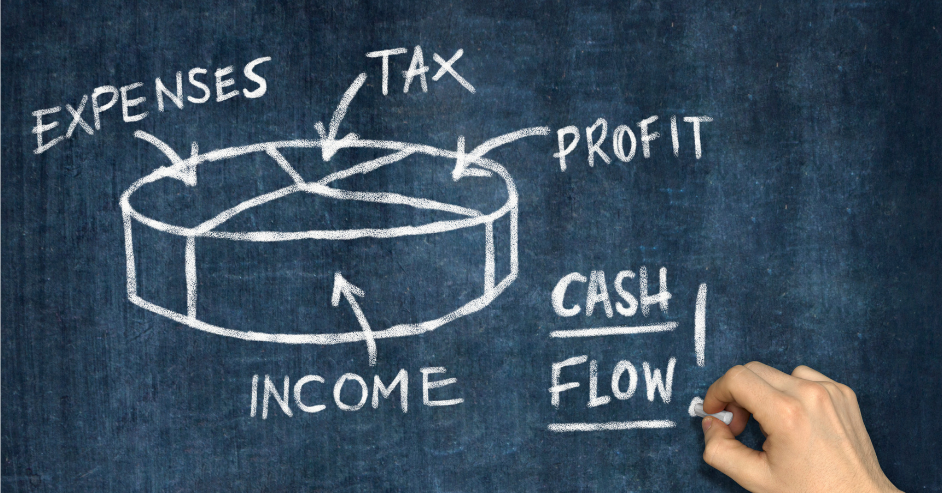
They are connected, but they tell you different things about your business. Understanding both can help you identify problems early, prepare for upcoming obligations, and make smarter decisions before December 31.
Profit Tells You How the Business Is Performing
Profit is what remains after your business subtracts expenses from revenue. It helps answer an important question: Is my business actually making money?
Your income statement shows whether revenue is growing, expenses are rising, and margins are improving or shrinking. However, profitability does not always mean the business has enough cash to operate comfortably. A business can report a profit while significant funds are tied up in unpaid invoices, inventory, equipment, or other assets.
Cash Flow Tells You Whether You Have Money to Operate
Cash flow measures the actual movement of money into and out of your business. It helps answer a different question: Do I have enough cash to meet my obligations and fund my business?
Cash can be affected by customer payment delays, payroll, vendor bills, loan payments, inventory purchases, equipment, taxes, and owner distributions. This means a business can be profitable and still experience a cash shortage.
Why This Matters Now
Waiting until December to review your numbers can leave you with fewer options. Q3 is a planning point, not just a reporting point. By reviewing profit and cash flow now, you still have time to make adjustments before the year closes.
Upon your review, you may discover:
Revenue is increasing, but cash isn't. This could indicate slow collections or too much money tied up in receivables.
Profit is declining. Rising payroll, operating costs, or other expenses may need attention before they become a larger problem.
Cash is strong, but profit is lower than expected. This may warrant a closer look at expenses, margins, or one-time transactions.
A large tax liability may be developing. Understanding your year-to-date profit can help you and your tax professional plan ahead rather than react after year-end.
You are considering a major purchase or investment. Strong cash flow does not automatically mean the business should spend the money. The decision should consider profitability, future cash needs, and the potential tax impact.
You expect significant year-end revenue or expenses. Knowing where your numbers stand now can help you determine whether timing certain transactions makes sense for the business.
The goal isn't simply to have a profitable year. It's to make sure the business has the cash, margins, and financial capacity to enter the next year in a strong position.
What Business Owners Should Review Before Year-End
YTD Profit. Compare revenue and expenses with the prior year and your expectations for 2026.
Accounts Receivable. Identify overdue invoices and determine whether collection efforts need to increase.
Cash Reserves. Account for upcoming payroll, taxes, debt payments, vendor obligations, and other planned expenses.
Expenses. Look for increases, recurring costs, and expenses that may need to be reduced or reevaluated.
Major Purchases and Investments. Consider both the business need and the effect on cash flow and taxes.
Profit Is the Scorecard. Cash Flow Keeps the Business Moving.
Profit shows whether your business model is working, while cash flow shows whether you have the flexibility to keep operating, invest strategically, and respond to unexpected expenses. Together, they give you a clearer view of your business’s true financial position.
As year-end approaches, do not wait for final financial statements to understand how your business is performing. Reviewing profit and cash flow now gives you time to address concerns, plan for upcoming obligations, and make informed decisions before December 31.
If you need help evaluating your year-end financial position, reach out to your VAAS Advisor. We would be happy to conduct a year-end business review and provide a clear picture of where your business stands.


